
The Legal Obligations of Landlords
Property Maintenance and Tenant Protection
While a tenancy agreement comes with mutual responsibilities and privileges, a significant part of the onus lies on the landlords to ensure a property’s safe and comfortable habitation for their tenants. Hence, a landlord must maintain and undertake any necessary repairs on their lease property. The law has imposed certain specific obligations on landlords, particularly those related to property maintenance. These regulations extend beyond a contractual agreement and work to provide robust protection to tenants.

Landlord and Tenant Act 1985
Landlords’ specific legal obligations heavily rely on the tenancy agreement’s agreed terms. However, specific statutory minimum commitments cannot be neglected. Section 11 of the Landlord and Tenant Act 1985 sets the standard for these obligations, imposing them on landlords to ensure the property remains structurally safe for tenants.
This requires the landlord to handle the repair of the structure and exterior of the property, deal with installations for the supply of water, electricity, and gas, and handle sanitation, including basins, sinks, baths, and toilets. Once notified of any faults or defects, landlords must undertake the necessary repairs within a reasonable period.
What is Houing Disrepair?
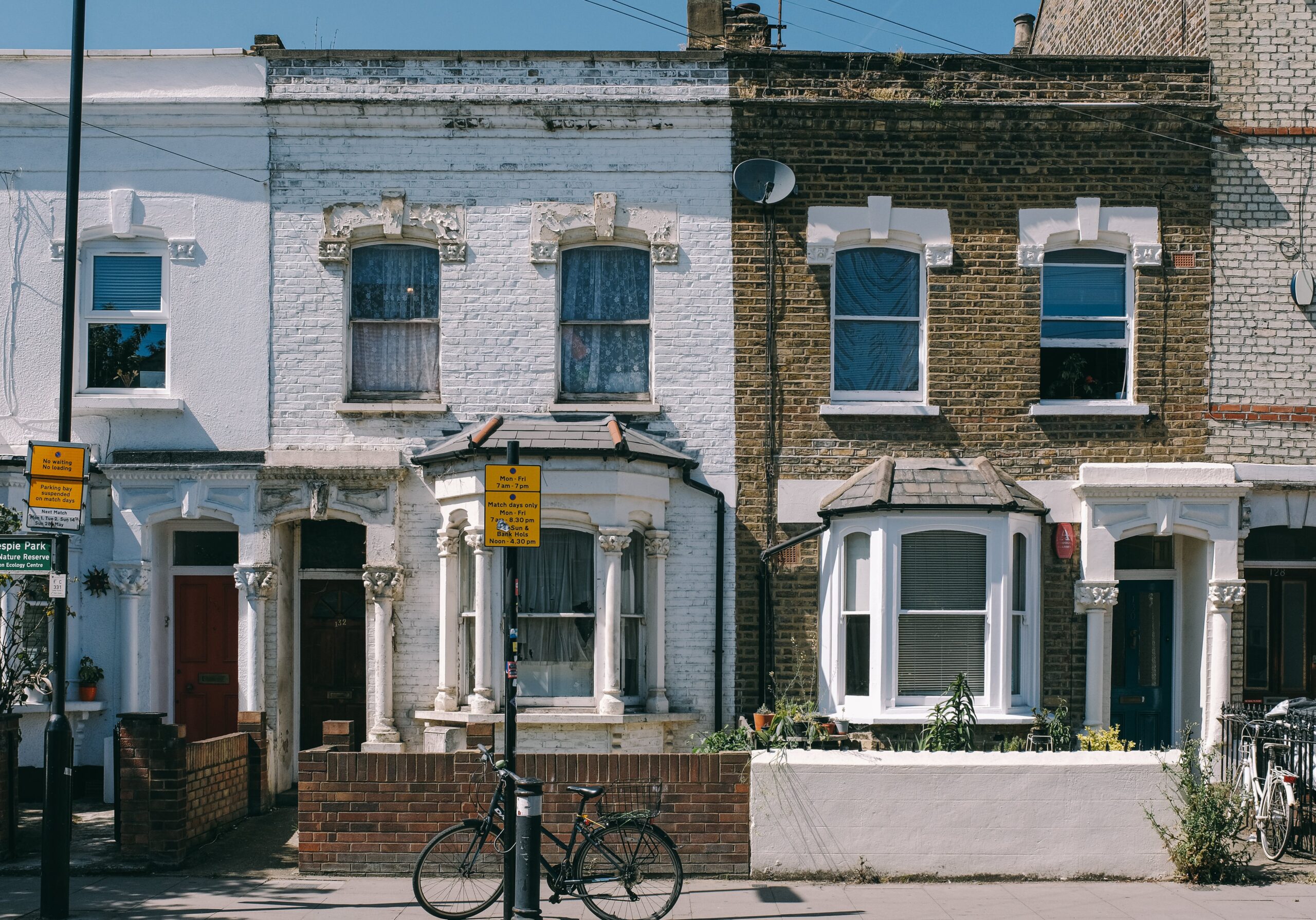
Housing disrepair claims refer to legal actions taken by tenants against their landlords when the rental property falls into a state of disrepair that the landlord has failed to address. These claims are based on the premise that landlords are legally obligated to maintain their properties in a habitable condition. Here are the critical points about housing disrepair claims:
- Legal Basis: In many jurisdictions, landlords have a legal duty to ensure their properties are safe, secure, and habitable. This includes carrying out necessary repairs and maintenance.
- Types of Disrepair: Issues can range from structural problems, such as a leaky roof, to issues affecting living conditions, like faulty heating or plumbing systems.
- Tenant's Rights: Tenants usually have the right to live in a property in a good state of repair. If landlords fail to uphold this, tenants may have grounds for a claim.
- Claim Process: The process typically involves the tenant formally notifying the landlord of the disrepair and giving them a reasonable opportunity to fix the issue. If the landlord fails to do so, the tenant can initiate legal action.
- Potential Compensation: Tenants may be entitled to compensation if they have suffered due to the disrepair. This can include reimbursement for damaged belongings, alternative accommodation costs, or compensation for injury or ill health caused by the disrepair.
- Documentation and Evidence: Tenants must document the disrepair and any communication with the landlord, as this evidence can be crucial in a legal claim.
- Legal Assistance: Tenants often seek legal advice to navigate the complexities of housing disrepair claims. Legal professionals can help understand rights, gather evidence, and represent the tenant in court if necessary.
- Limitation Periods: There are typically time limits within which a tenant must start legal proceedings, which vary depending on the jurisdiction.
Housing disrepair claims play a crucial role in ensuring that rental properties are maintained to a safe and comfortable standard for tenants, and they provide a legal recourse for tenants when landlords do not meet their obligations.
Repair and Maintenance: A Foundational Obligation
A landlord’s duty to maintain and repair a rental property is not merely a legal obligation but a moral and practical imperative. Providing tenants with a comfortable living space is an essential requirement at the foundation of any tenancy agreement.
This obligation includes a mandate to repair any structural faults, including fixing cracks in the walls and ceilings, faulty pipelines, and roof repairs, among other things. The response time from when these faults are reported to when they are repaired should be relatively short. Any consistent delays or disregard could expose the landlord to legal consequences.
In conclusion, a landlord’s responsibility extends far beyond collecting rent. They must ensure a safe and habitable home for their tenants. By adhering to these comprehensive regulations, landlords can respect their tenants’ rights, maintain the integrity of their property, and create harmonious landlord-tenant relationships. While these legal obligations exist for the tenant’s protection, they ultimately uphold the rudimentary principles of human welfare, dignity, and respect.
For residents in the Newham, we strongly advise contacting a seasoned housing solicitor for legal advice. Understand the claim process and critical deadlines by calling 0208 088 8770.